
Museum Monday - HoMA
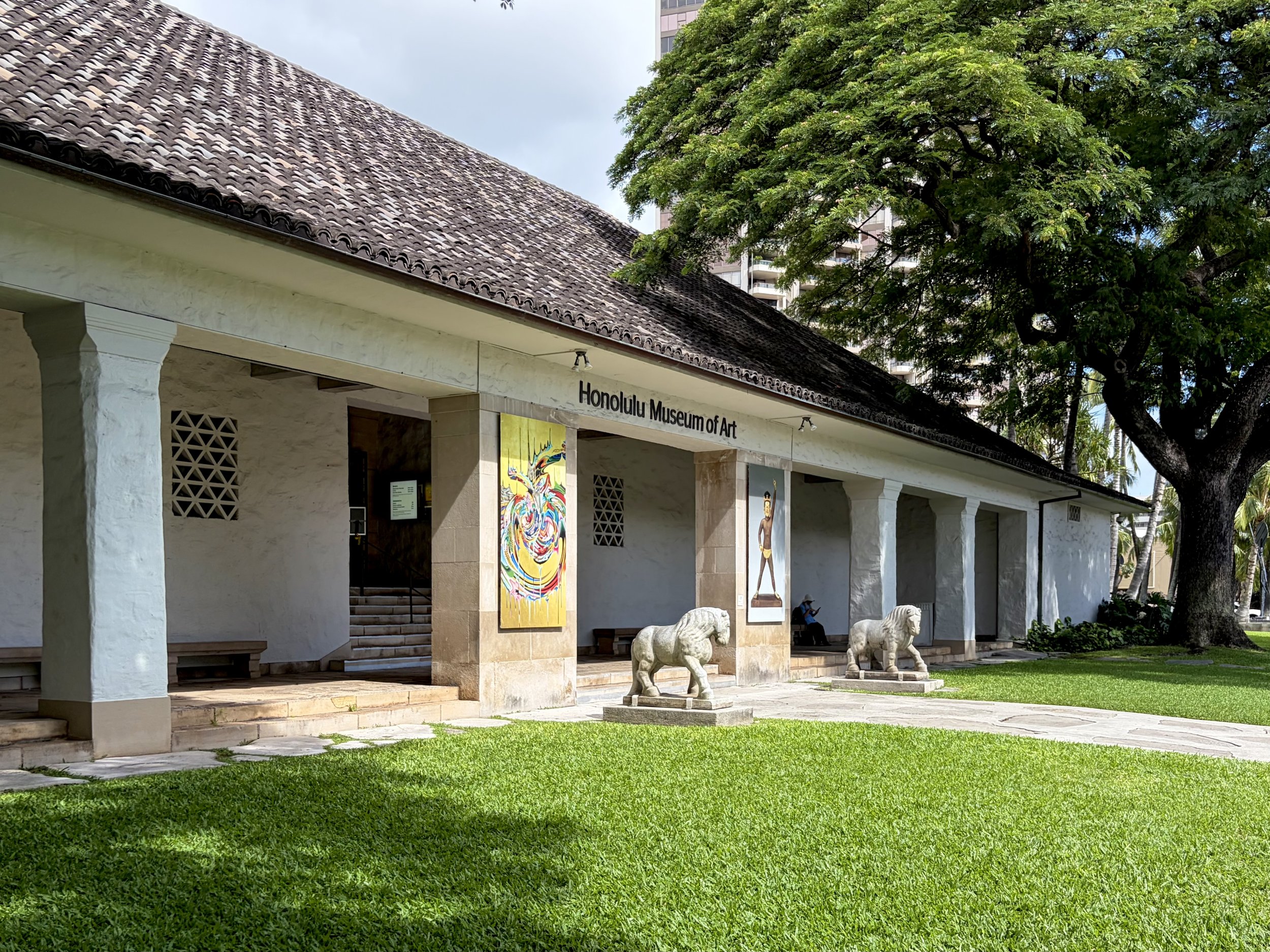
Whenever I visit family in Hawaii, the Honolulu Museum of Art (HOMA) is a favorite place to tour, not only for a dose of artful inspiration but also for the architecture.
I return quite often to the islands now to help take care of dad. I like that I can stop by for quick art moments whenever in town. Visits to HOMA offer a nice respite from caregiving and an escape from family stresses.
From the Historic Hawaii Foundation website:
Built in 1927, Honolulu Academy of Arts is a one and two story building of stone wall construction. Textured white plastered walls, a columned entrance lanai and a dominating high pitched tile roof characterize what has come to be known as the “Hawaiian” architecture which developed during the 1920s and 1930s.
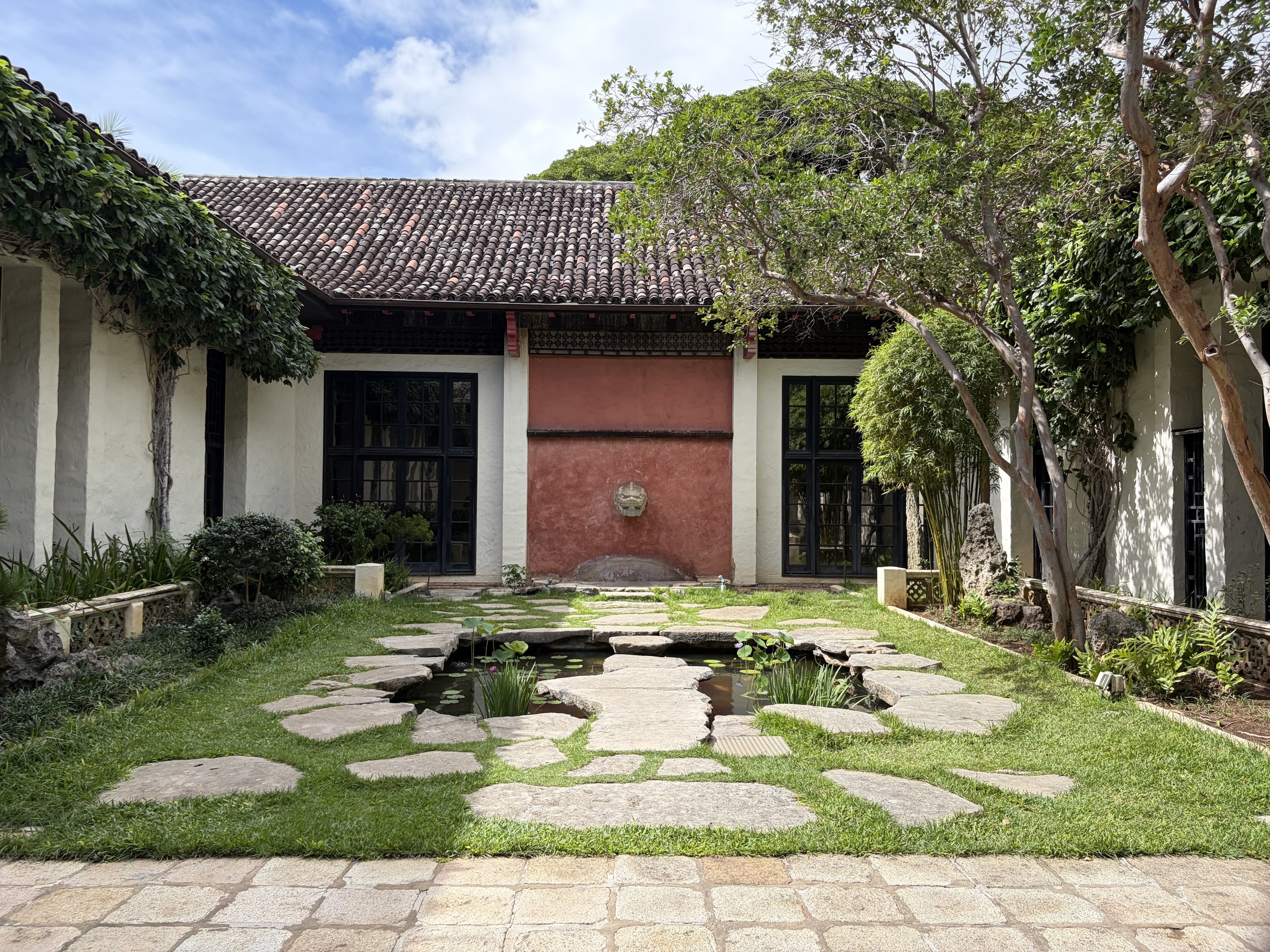
The interior is arranged around five open courts surrounded by exhibit galleries. Each court reflects a different character, the most distinctive influences being that of the Spanish and Chinese.
Honolulu Academy of Art is significant as an example of Hawaiian architecture, combining Chinese, Spanish, and island designs.
It is also significant as the work of architect Bertram Goodhue who was commissioned by Mrs. C.M. Cooke to design a building for the Honolulu Academy of Arts on her family’s home site which she donated for this purpose.
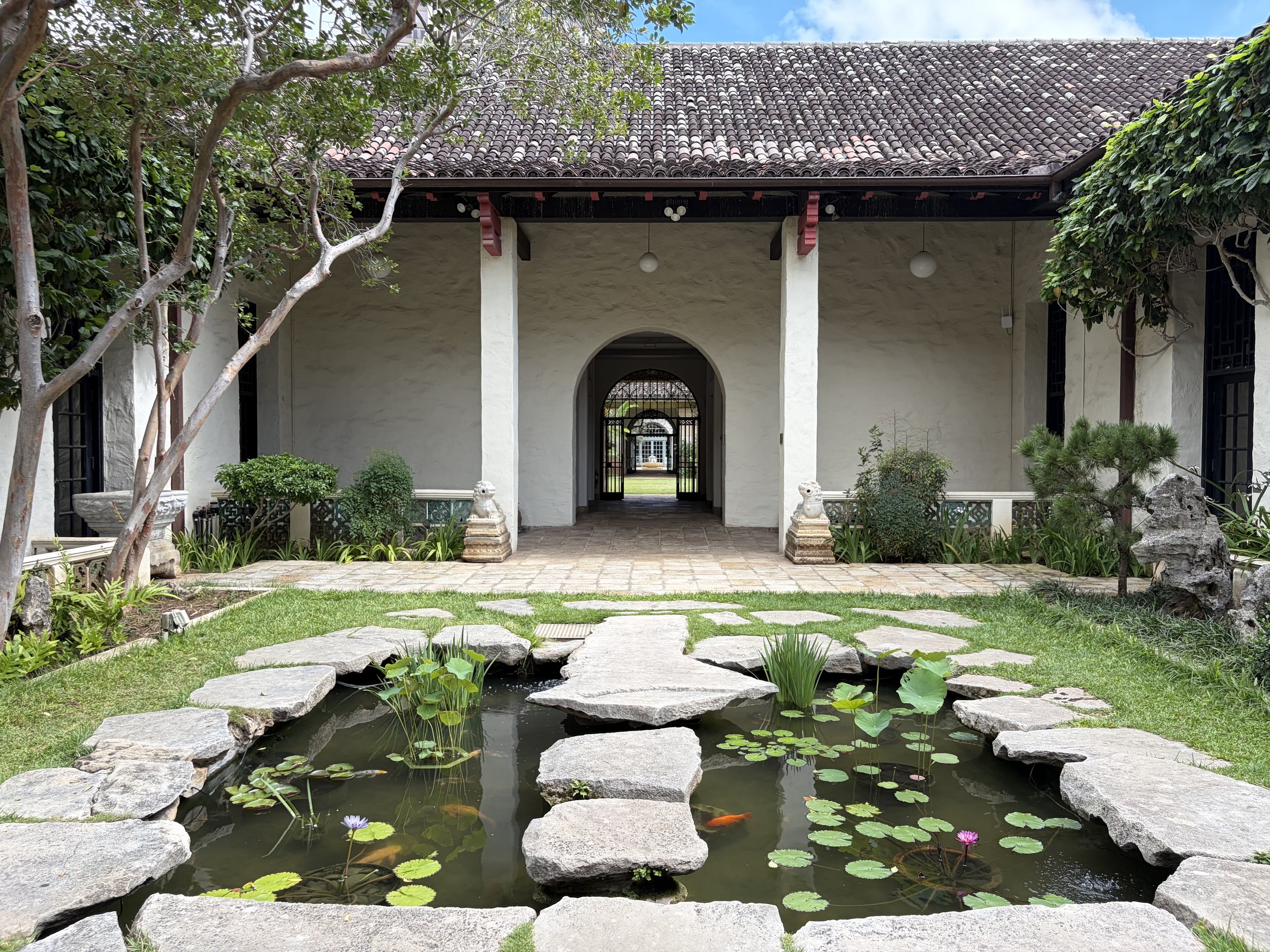
Usually I pop into my favorite courtyard gardens before stepping onto the galleries. The Chinese Courtyard is shown below.
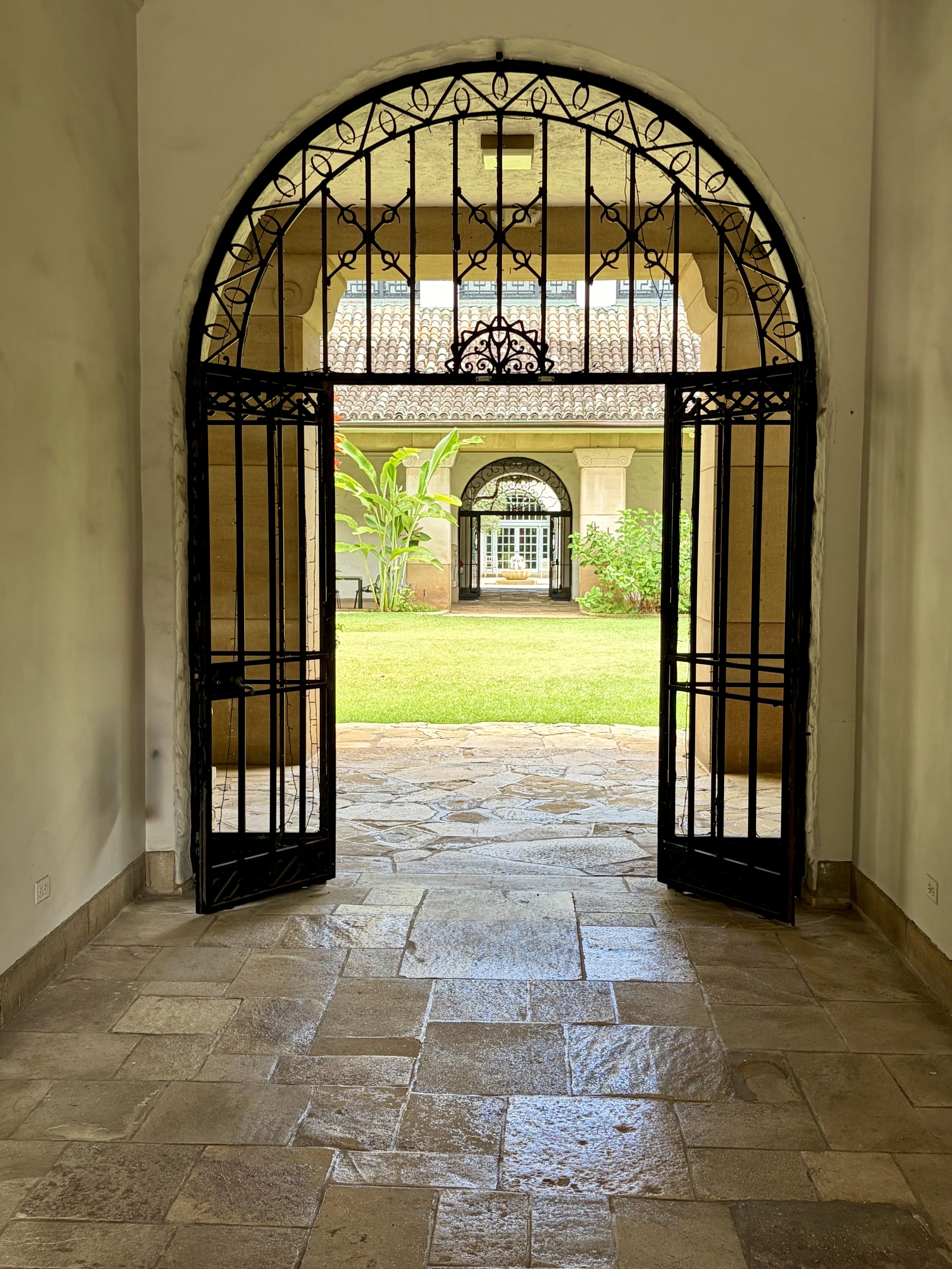
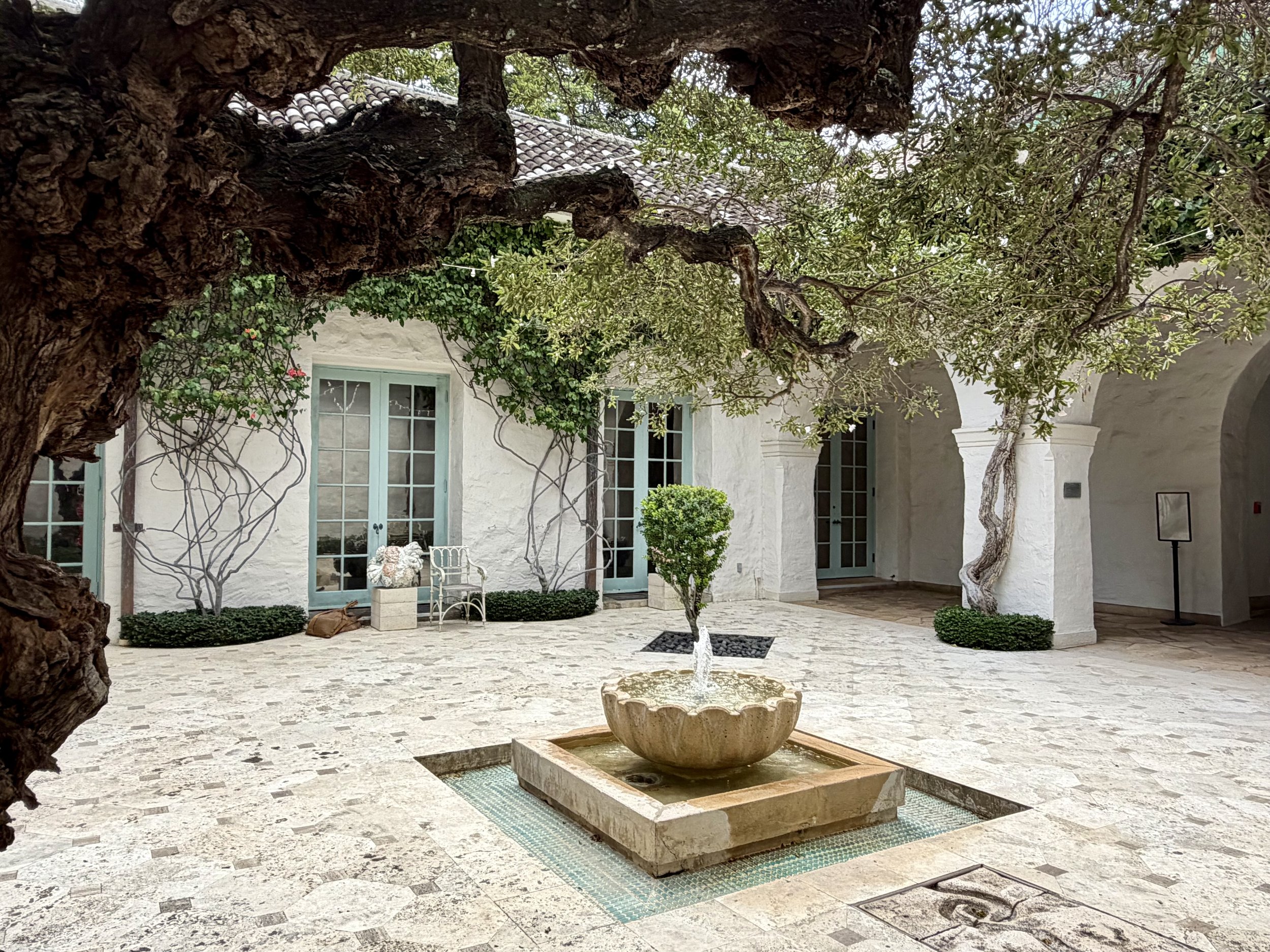
The Mediterranean Courtyard garden lies across the way.
I particularly enjoyed the small exhibit Imagine Flora: Ralph Iwamoto’s Surrealist Beginnings which runs through Feb. 7, 2027. The artist was new-to-me and I loved his bold and colorful paintings.
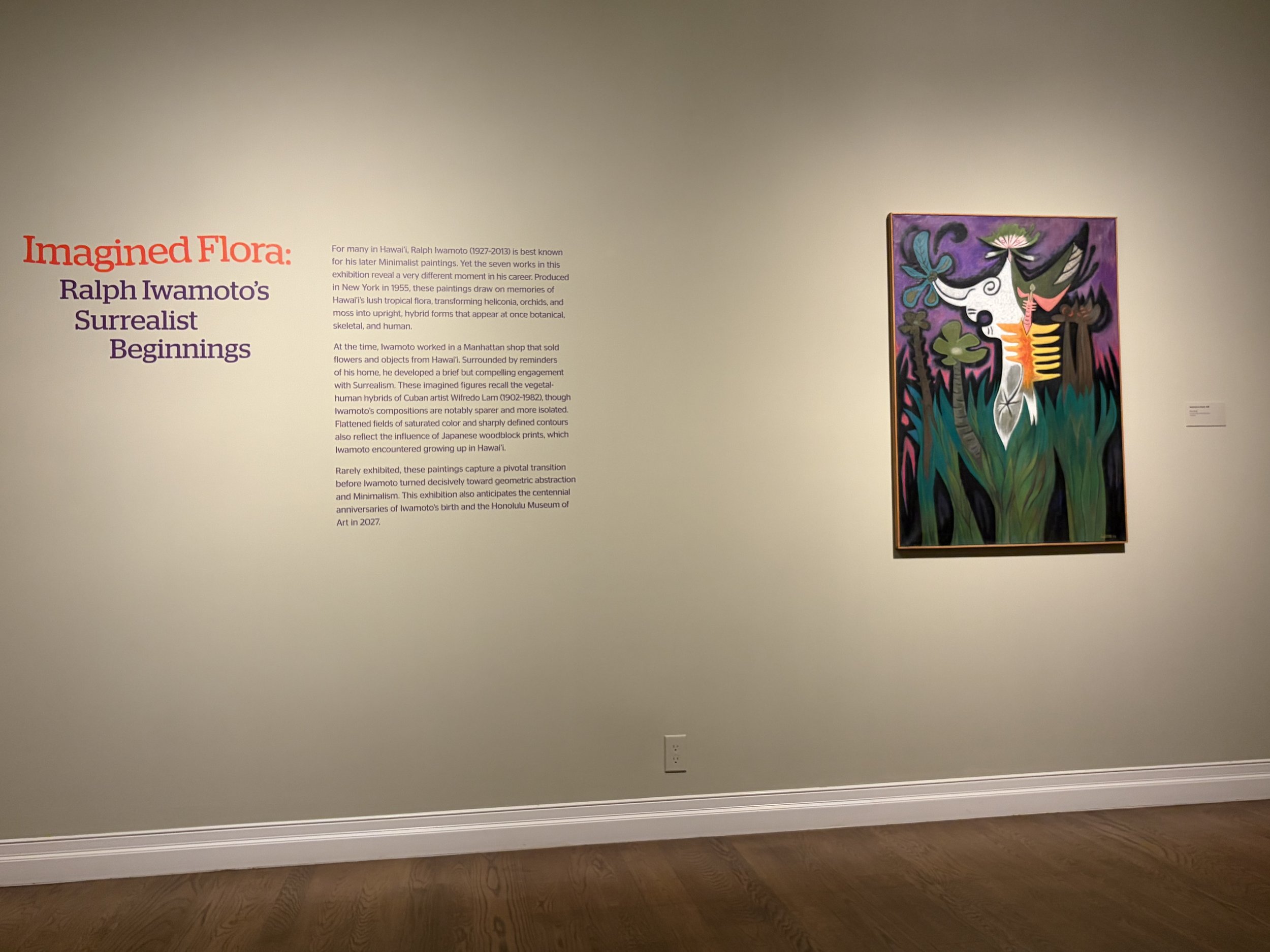
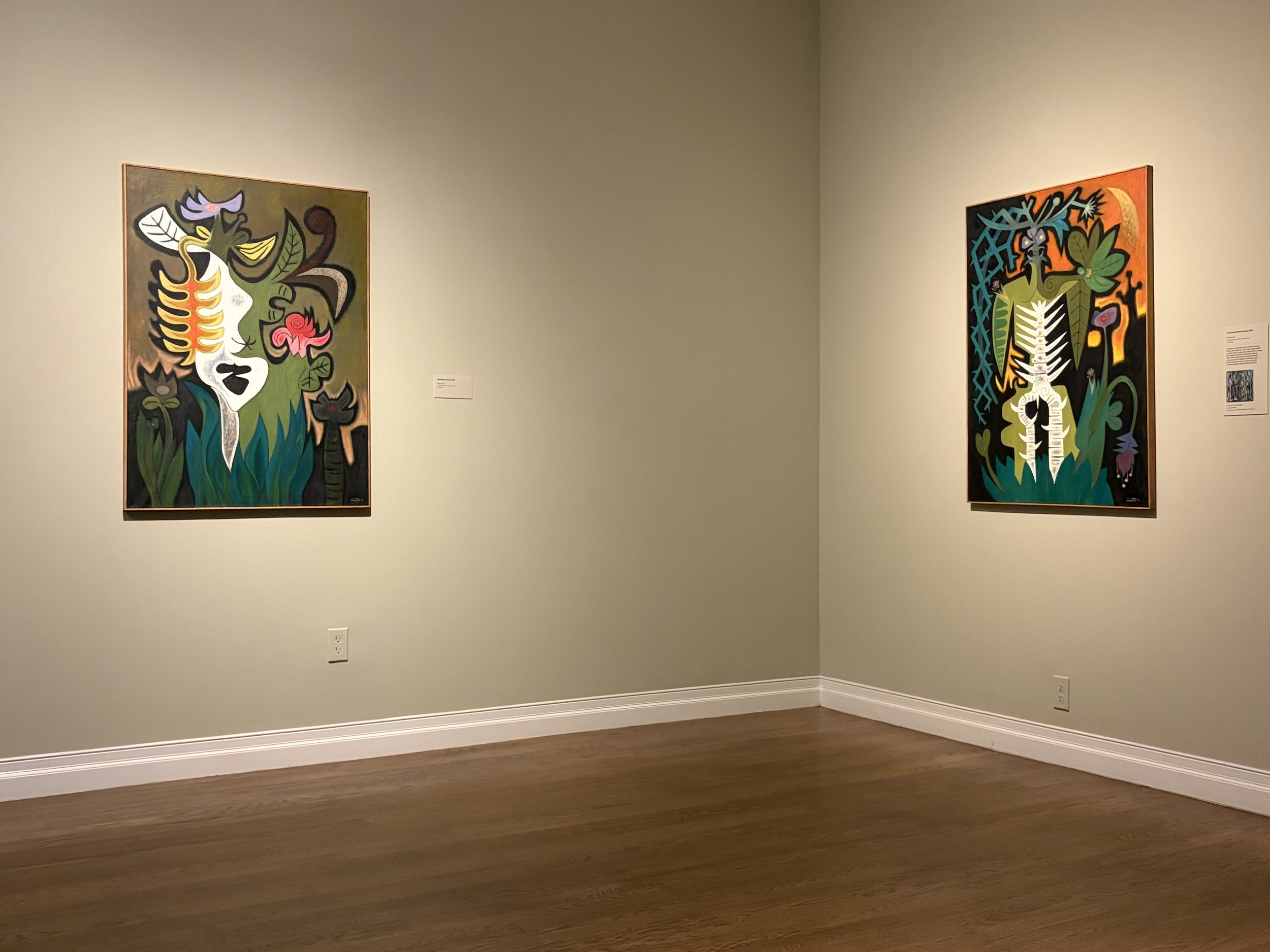
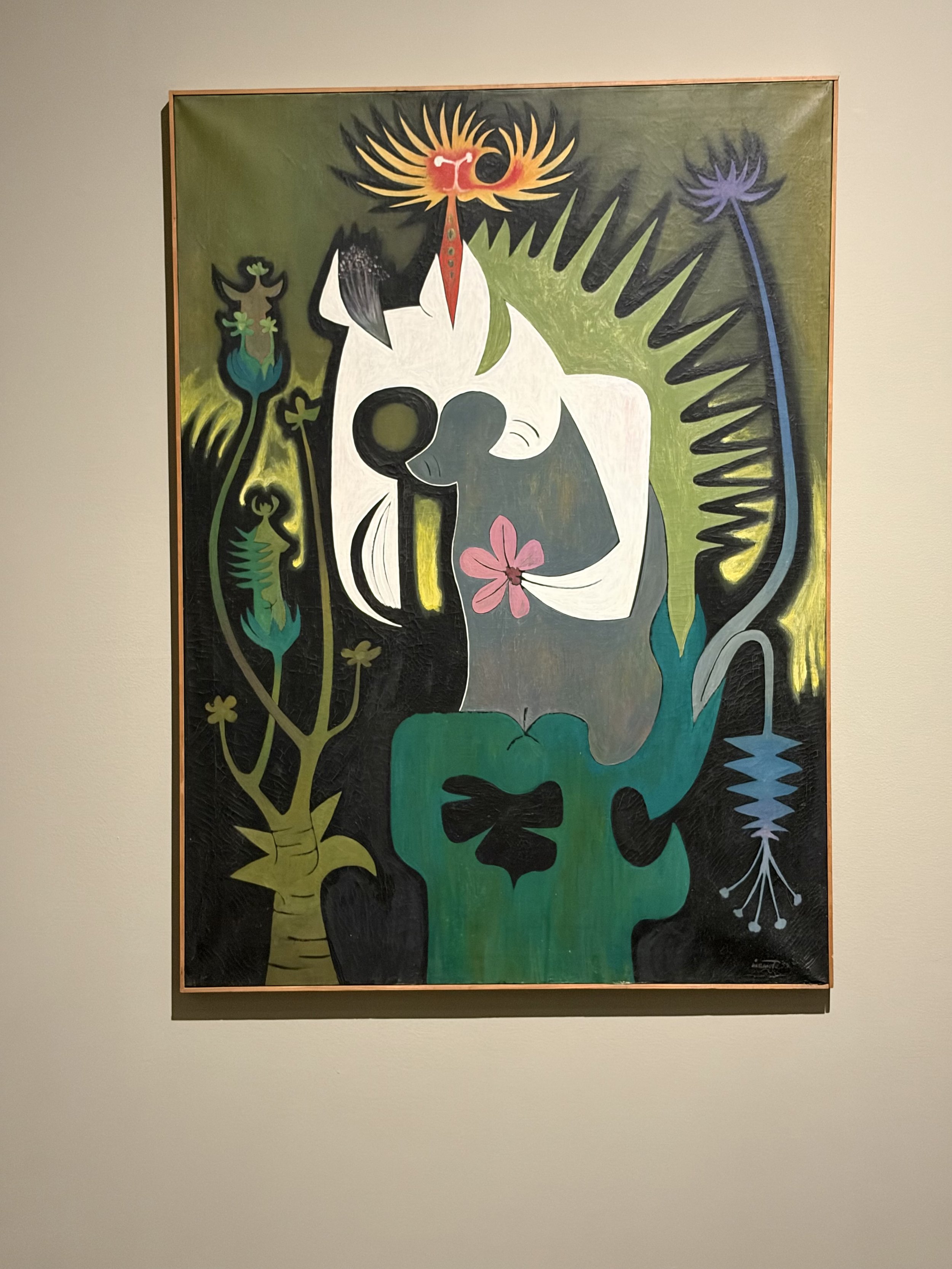
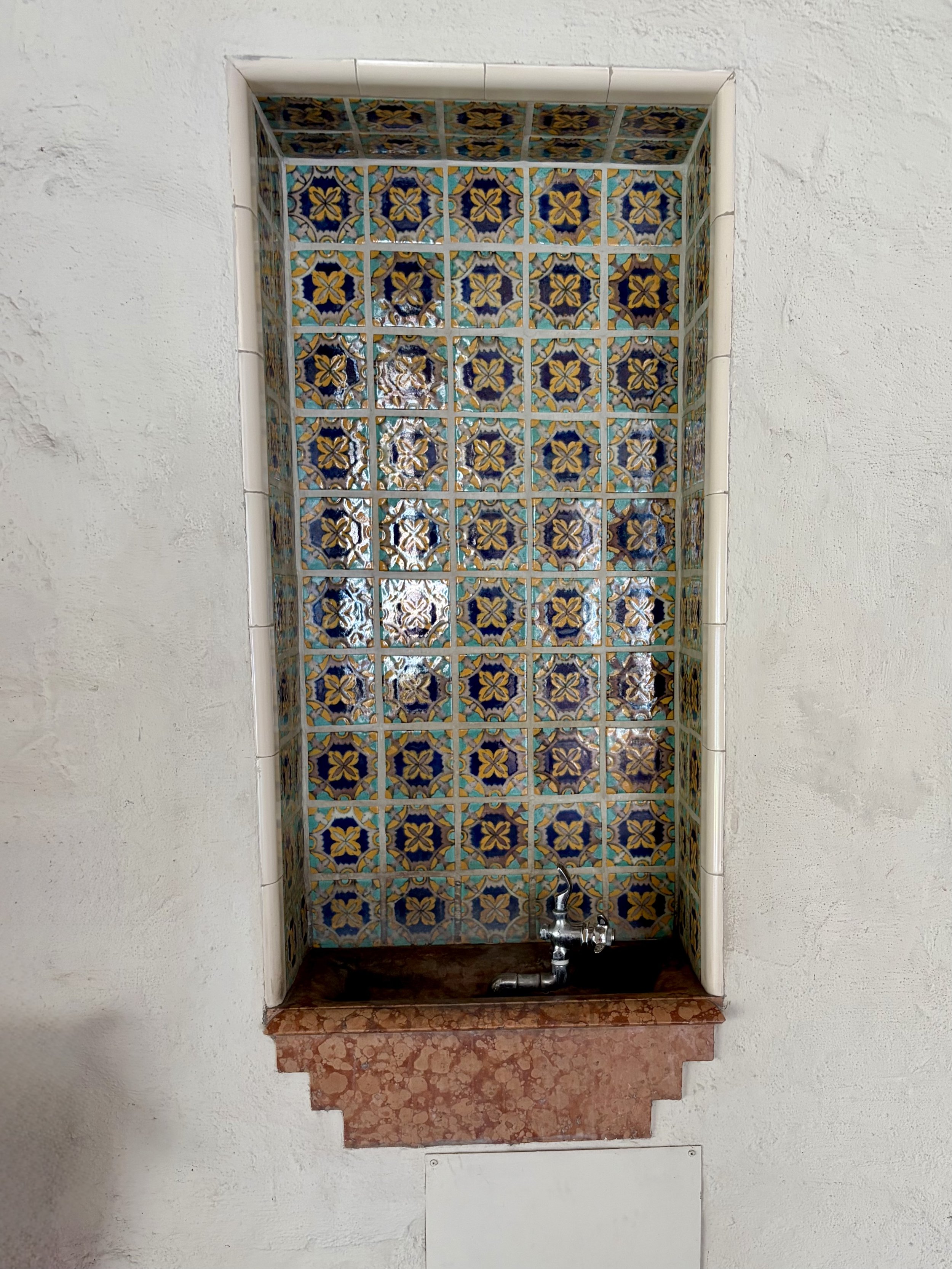
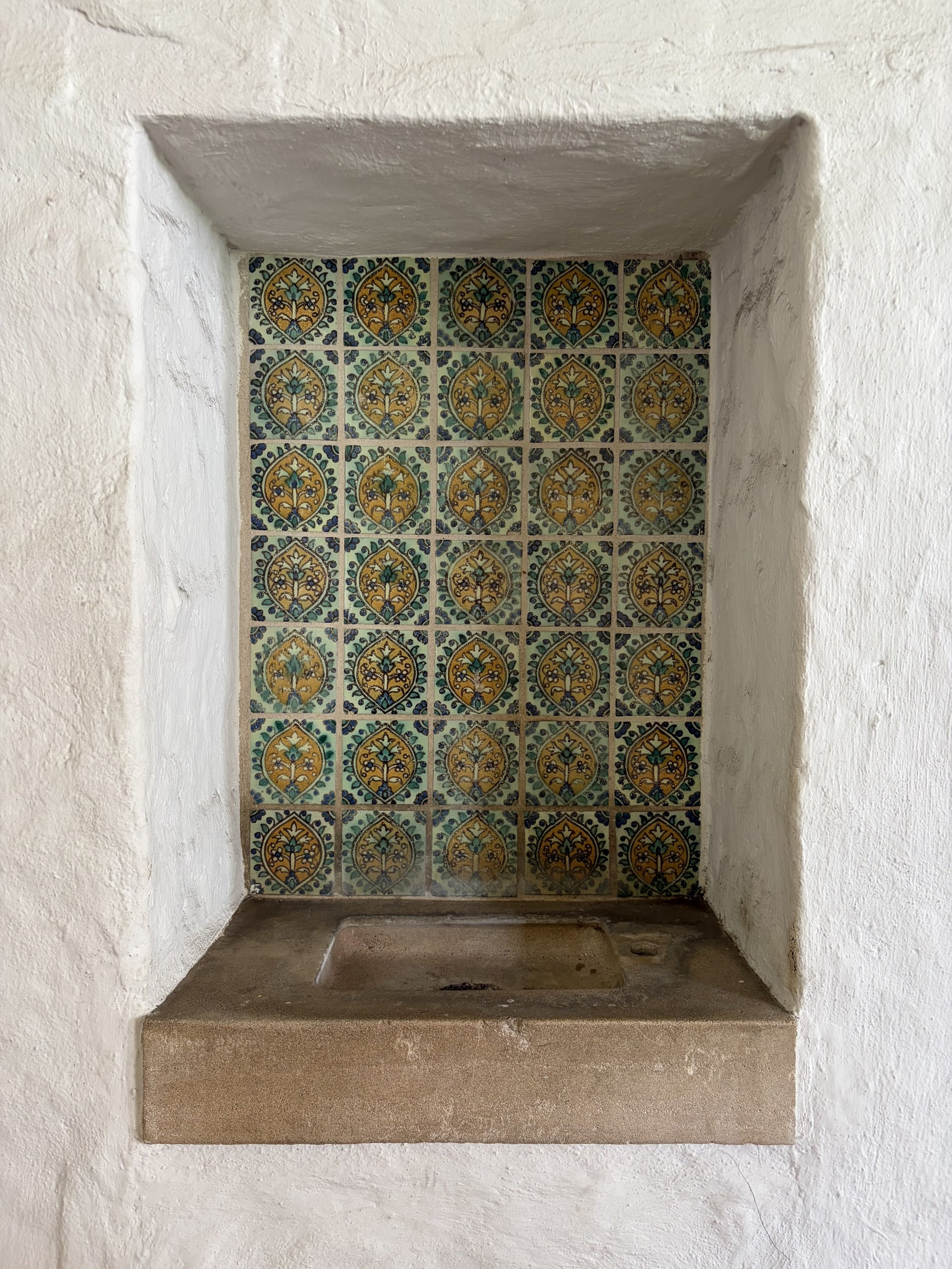
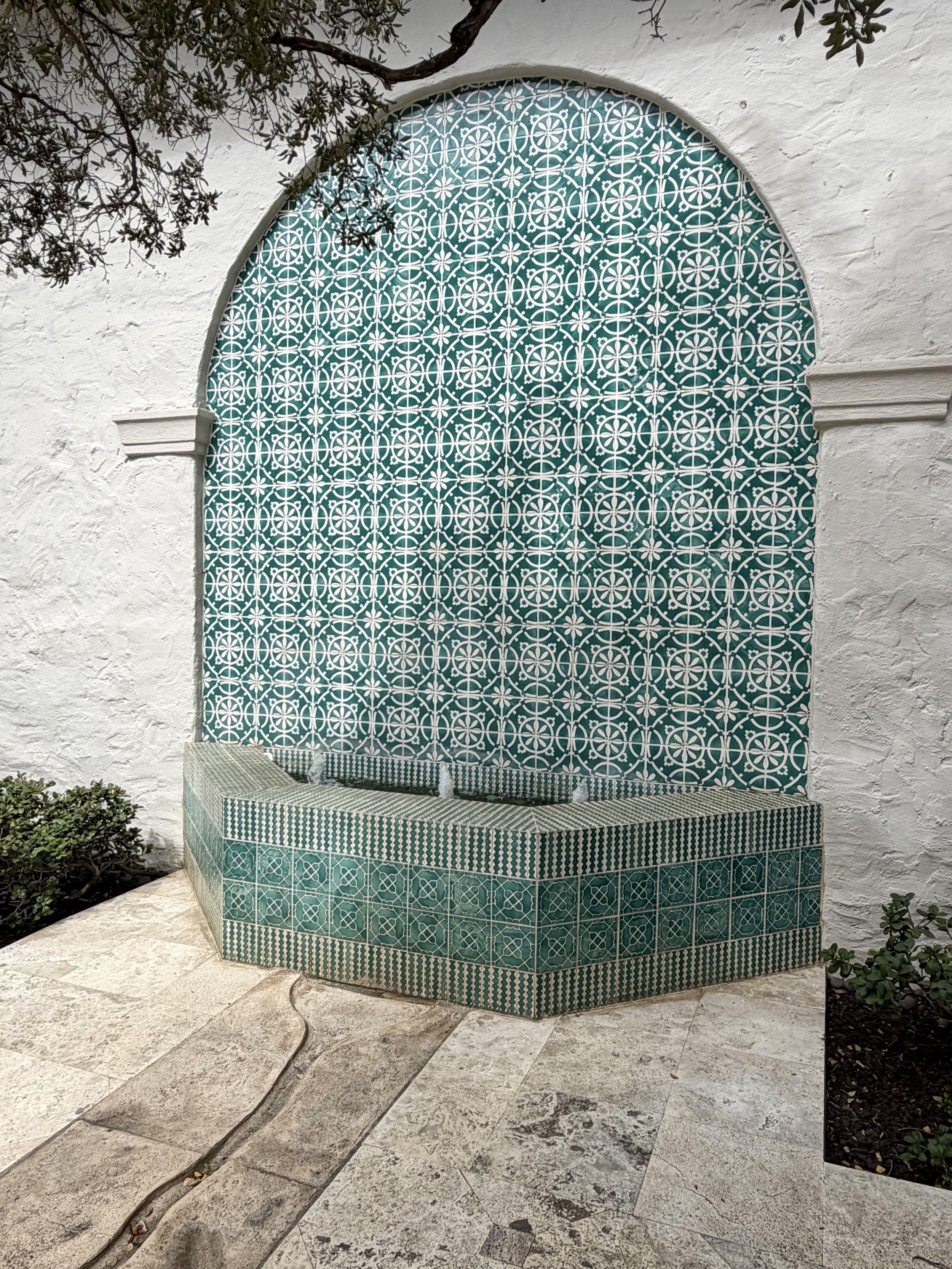
Finally, I happened upon two tiled drinking fountains that reminded me of the tiled drinking fountains at Caltech. The historic buildings on the historic section of Caltech campus was also the work of the same architect who dedignef HOMA - Bertram G. Goodhue.